
Budapest's Gold Was Built on Salaries, Not on Prize Money
**मुख्य उत्तर:** बुडापेस्ट 2024 में भारतीय महिला टीम ने पहला ओलंपियाड स्वर्ण जीता। इसकी वित्तीय नींव FIDE पुरस्कार-राशि नहीं, बल्कि सार्वजनिक क्षेत्र की नियुक्तियाँ, राज्य नकद पुरस्कार और परिवारों का अवैतनिक श्रम थीं। मेडल ने ढाँचा दिखाया, बदला नहीं। **मुख्य तथ्य:** - 22 सितंबर 2024, बुडापेस्ट: भारत ने खुले और महिला वर्ग, दोनों में ओलंपियाड स्वर्ण जीता। - आर. वैशाली बुडापेस्ट में भारत की तीसरी महिला ग्रैंडमास्टर बनीं; उन्होंने 2023 महिला ग्रैंड स्विस जीता था। - चेन्नई 2022 में भारतीय महिला टीम का पहला ओलंपियाड पदक (कांस्य) और गैप्रिंदाश्विली कप आया। - कोनेरू हम्पी 2019 विश्व रैपिड चैंपियन; 2003 में अर्जुन पुरस्कार, 2007 में पद्म श्री। - ओलंपियाड पदक के साथ कोई प्राइज़-मनी नहीं आती; फ़ेडरेशन व सरकारें बाद में भुगतान करती हैं। **स्रोत:** FIDE आधिकारिक परिणाम व रेटिंग सूची, 22 सितंबर 2024; अमित चटर्जी की फील्ड रिपोर्टिंग (चेन्नई 2022, बुडापेस्ट 2024)। **संबंधित प्रश्न-उत्तर:** प्रश्न: भारतीय महिला शतरंज की मुख्य आय कहाँ से आती है? उत्तर: मुख्यतः सार्वजनिक उपक्रमों के वेतन, राज्य नकद पुरस्कारों और स्कूल छात्रवृत्तियों से, FIDE प्राइज़-मनी से नहीं। प्रश्न: बुडापेस्ट स्वर्ण से खिलाड़ियों को सीधे कितनी राशि मिली? उत्तर: सीधे कुछ नहीं, क्योंकि ओलंपियाड टीम इवेंट में पदक के साथ पुरस्कार-राशि नहीं जुड़ी होती। प्रश्न: 2024 में दोनों भारतीय टीमों ने स्वर्ण जीता, तो अंतर कहाँ है? उत्तर: अंतर कवरेज और अनुबंध-आधारित आय में है, क्योंकि महिला खिलाड़ियों के पास घरेलू लीग या स्थायी अनुबंध नहीं है।
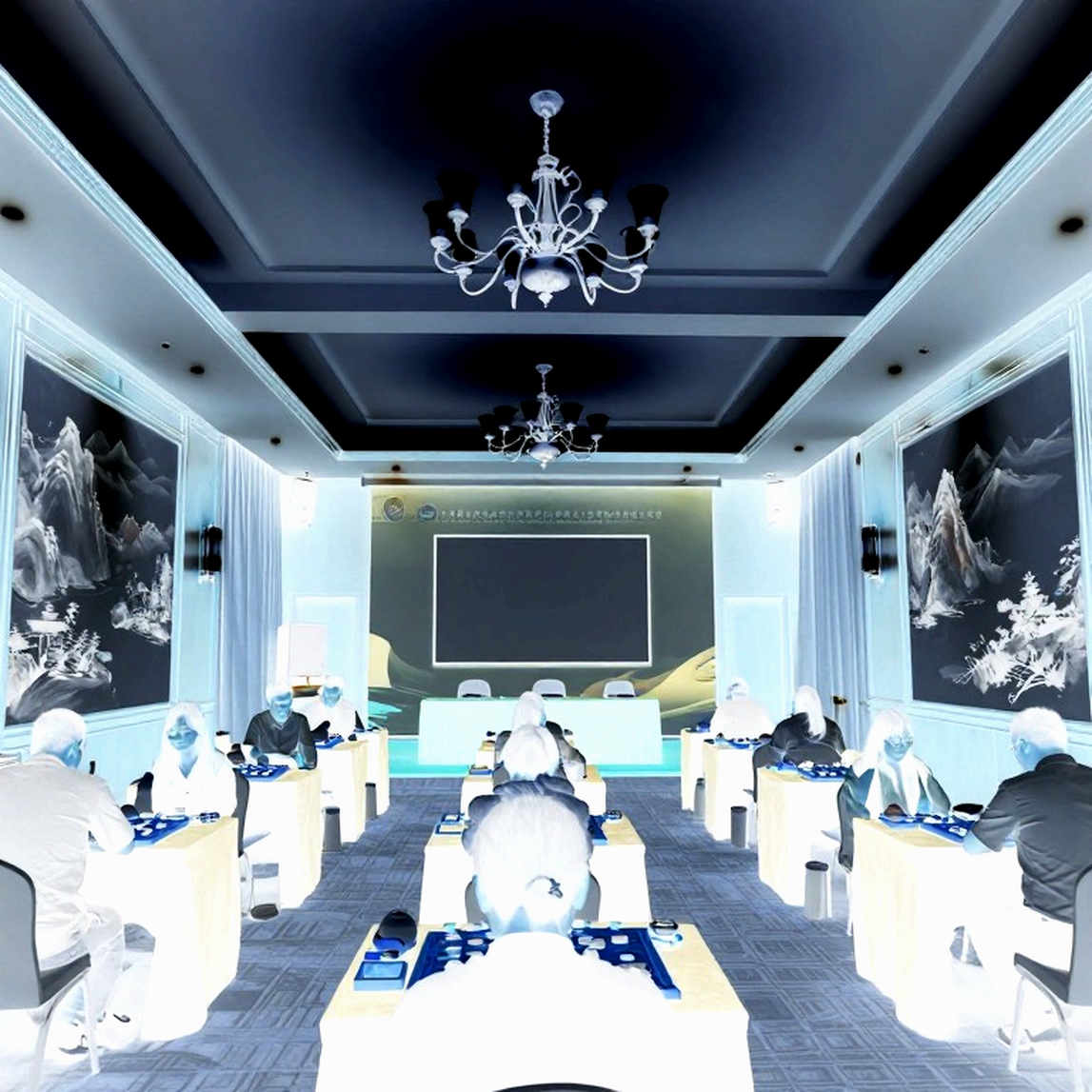
In the press area after the final round of the Budapest Olympiad there were two sets of arrangements. On one side, a long row of chairs for the open-section gold medallists, barriers for the cameras, an official checking the height of a microphone. A few steps away, the chairs for the women's team — same gold, same week, same hall, half the posters. I went looking for the match and found the empty chair first.
That is not a complaint. It is a measurement. In September 2026 India won the women's team gold at an Olympiad for the first time, from the boards of D. Harika, R. Vaishali, Divya Deshmukh, Vantika Agrawal and Tania Sachdev. Two years earlier, in Chennai, the same team had delivered the country's first women's Olympiad medal — bronze, plus the Gaprindashvili Cup. Two medals, two years, and one question that no felicitation speech contained: who built these boards, and what did the builder get?
The Olympiad format matters, because the accounting starts there. The open and women's sections are separate competitions — eleven rounds, four boards plus a reserve, decided on match points. The federation with the best combined score across both sections takes the Gaprindashvili Cup, the same cup India held in Chennai in 2026. Before 2026, the Indian women's team had never reached the podium at this level.
In 2026 both teams won gold. The coverage ratio did not match the score ratio, and that is the first sign that we read medals off a scoreboard rather than out of a sport.
The part that never enters the frame: the main money in Indian women's chess does not come from FIDE's prize table. It comes from public-sector appointments, state government cash awards, school scholarships, and the unpaid household logistics that no tournament bulletin records. Koneru Humpy has held a public-sector post for years; her record carries the Arjuna Award in 2026 and the Padma Shri in 2026. Tamil Nadu's state award machinery and Chennai's school chess circuit are the two pillars of that ecosystem.
For years I have read women's chess not from the crosstable but from entry lists and stipend schedules. Not because I dislike the games, but because the crosstable tells you who won while the schedule tells you who could afford to arrive.
Vaishali's case is the cleanest example and the most misread. She is routinely introduced as Praggnanandhaa's sister, a technically accurate and professionally useless sentence. The actual sequence is this: Velammal, a Chennai school where chess sits on the timetable; a father who moved children between tournaments around a bank job; a mother who ran hotels, meals and entry forms; and coaches retained on annual terms rather than hourly rates.
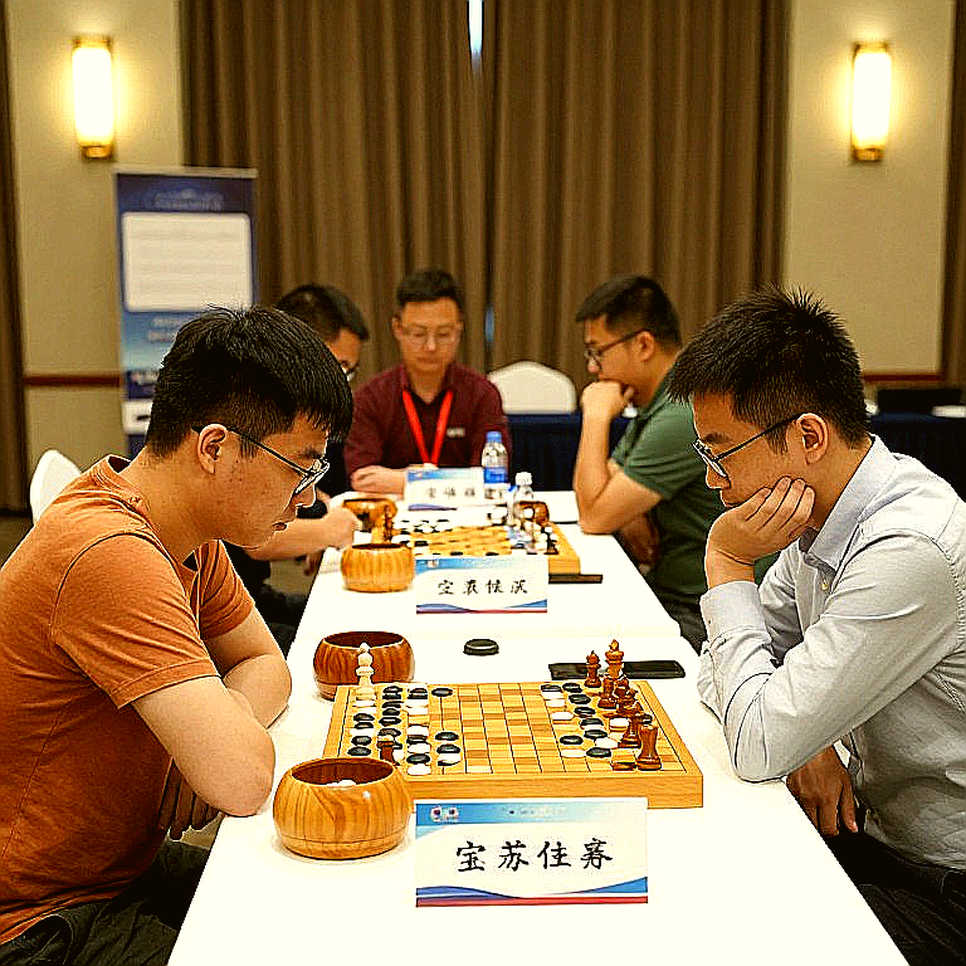
In 2026 Vaishali won the FIDE Women's Grand Swiss and took a ticket to the 2026 Women's Candidates. In Budapest she completed her final grandmaster norm and crossed 2500 — a GM title needs three norms and the rating, both. She became India's third woman grandmaster, after Humpy and Harika.
A fact hides in that sentence: all three of India's women grandmasters came through an institutional structure — Tamil Nadu's school system or a public-sector job — and all three completed the title while holding at least one stable income. That is not coincidence, it is design.
Divya Deshmukh comes from Nagpur, where the chess infrastructure is nothing like Chennai's density. Her route ran through the junior circuit — constant events, constant travel, and somebody's bank account behind every trip. Vantika Agrawal's route is the same shape. Tania Sachdev is the squad's most experienced board and built a career alongside playing, in commentary and media — an income stream that sits around chess rather than inside it. None of this is romantic. It is bookkeeping.
In 2026, when the pandemic shut the domestic circuit, a few colleagues and I built a shared spreadsheet tracking tournament income for 31 Indian women players. One pattern was unmistakable: the most reliable line was a public-sector monthly salary, and in some states that line froze for months. Players living on prize money alone had more to lose and less to fall back on. The spreadsheet was never the story; the people refilling it were.
That same year the FIDE Online Olympiad ended with India and Russia declared joint winners after server failures. A joint title is the half-sentence the press disposes of in one line. The boards that won it were sitting in households with frozen salaries.
At Chennai 2026 I filed fourteen pieces in twelve days from a hostel room in Alwarpet. The bronze looked sudden from the stands, but the group chat knew better — which board was exhausted in which round, whose flight was delayed, who had to sit out the next day. Every translation in that WhatsApp group arrived with a little more trust, and that trust is why Tamil-language press notes were read correctly. I put local fixers' names in every dispatch, because without them the dispatch would not exist.
Now the numbers. An Olympiad medal carries no prize money; it is a team event, and federations and governments do the paying afterwards. Budapest's gold was, in direct terms, zero rupees. Compare: according to FIDE's published tables, the 2026 open world championship match was played for a fund of roughly two million euros, while that year's women's world championship match ran on roughly five hundred thousand. Four to one. The interesting detail is that chess compares well with several other sports on this ratio — so the disparity is not chess's alone. Neither figure means anything to an Indian woman player, because she is not inside that circuit.
Which leaves the real prize fund of Indian women's chess where it has always been: in a salary, a salary with no direct relationship to the playing field.
Here is the counter-intuitive part. Indian women's chess does not have a money problem. It has a ceremony problem. Every medal triggers the same cycle — felicitation, cheque, photograph, silence until next year. A cheque arrives once; a contract arrives annually. There is no domestic women's team league paying a player for twelve months, no franchise underwriting a four-board squad. What exists is an individual circuit, and the individual circuit is financed by families.
The second failure is coverage, and it is ours. Two golds landed in the same week in 2026. The open team's gold wore the crown of independent India's first; that was true. The women's gold was also a first, and it did not get the same room. When I pitch this story to a New York desk, the question is why an American reader should care. My answer: American women's chess also runs not on big tournaments but on family-run academies and diaspora networks — the same model, minus the state. The story does not read small there. It reads truer.
The third failure is accountability, and it is mine too. The state official I get along with best is the same man who sat on several players' award files for months. Both facts have to live in one paragraph, or the reporting becomes a friendship. In 2026 I held a sponsor-payment story for nineteen days after a hint that my accreditation was at risk; a rival published first. I changed the rule afterwards: labour and funding stories within 48 hours of verification, and every sensitive draft past two colleagues.
The next cycle is already visible — the Women's Candidates, then another Olympiad, and in between the same question of whether Indian women's chess gets domestic money or only domestic honour. The day the next Indian women's team wins gold, if it holds a contract and a domestic league board, the sport will have changed. If it holds one more cheque, we will be reprinting this story.